
How much does a NIPT test cost?
How much does a NIPT test cost?
$99 – $349 average cost without insurance

NIPT testing cost
A NIPT test costs $99 to $2,000 or more. What you actually pay depends almost entirely on your insurance coverage and the specific laboratory used. The location, provider, and the number of conditions tested for also impact on the cost. This simple blood test, known as non-invasive prenatal testing, is a screening tool, not a diagnostic test.
| Pricing scenario | Average cost |
|---|---|
| With insurance (covered) | $0 – $200 co-pay |
| With insurance (not covered) | $800 – $2,000+ |
| Without insurance (cash-pay / self-pay programs) | $99 – $349 |
NIPT test cost without insurance
The NIPT test cost without insurance can be confusing. The "list price" from a hospital or lab can be very high, often ranging from $800 to over $2,000. However, most laboratories offer a much lower "self-pay" or "cash price" for patients who do not have insurance or choose not to use it.
While some self-pay prices can range up to $349, most major labs charge a cash price of $99 to $299. In many cases, this self-pay price is cheaper than what you might pay using your insurance, especially if you have a high-deductible health plan.
The table below shows the average self-pay costs for major NIPT brands.
| Laboratory (brand) | Average cost (self-pay) |
|---|---|
| Invitae | $99 |
| Natera (Panorama) | $149 — $249 |
| LabCorp (MaterniT) | $249 — $299 |
| Myriad (Prequel) | $249 |
What is a NIPT test, and what does it test for?
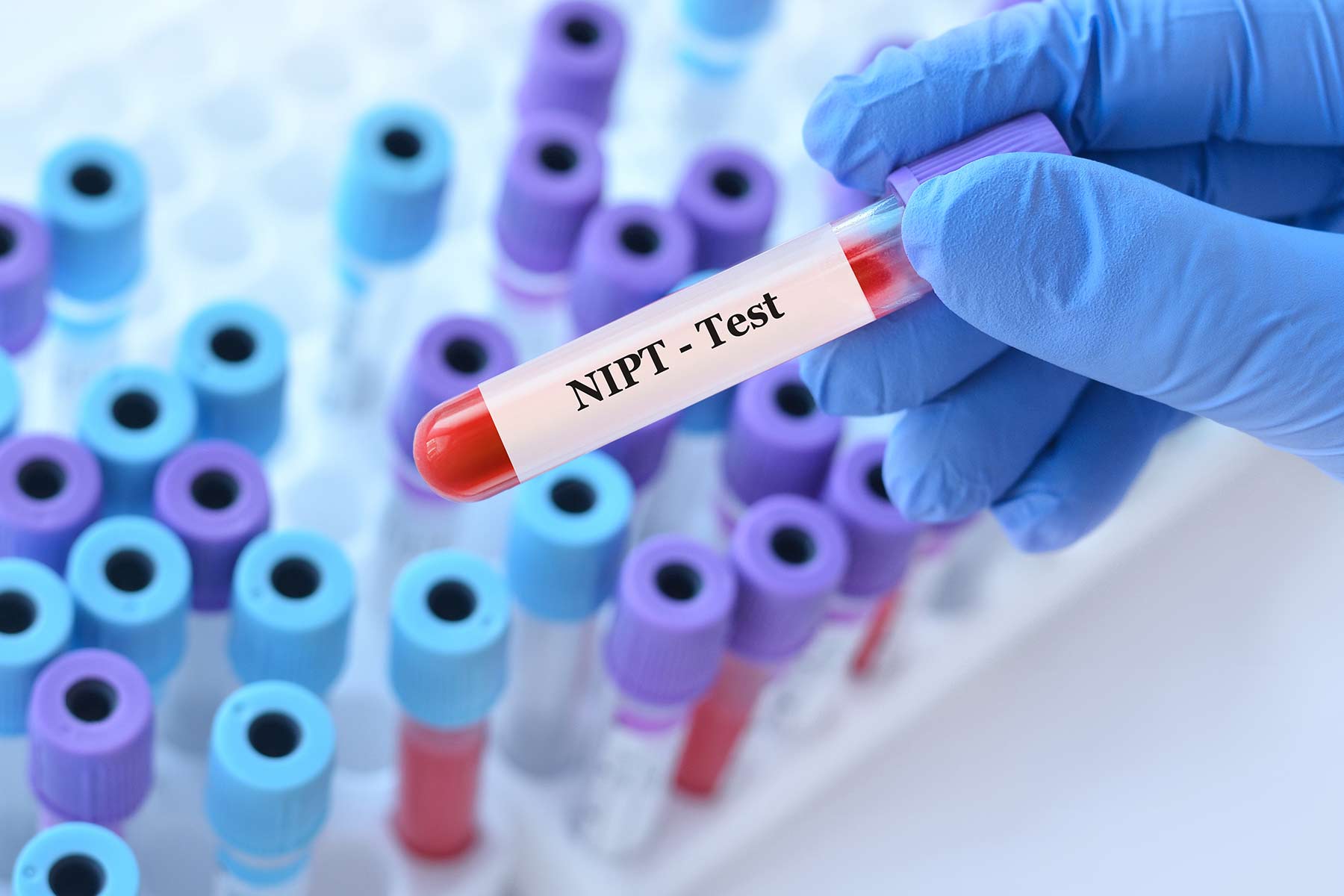
Non-Invasive Prenatal Testing (NIPT) is a blood test that screens for chromosomal conditions in your developing baby. It analyzes small fragments of fetal DNA that circulate in your bloodstream during pregnancy.
This prenatal genetic testing can detect common conditions such as:
Down syndrome (Trisomy 21)
Edwards syndrome (Trisomy 18)
Patau syndrome (Trisomy 13)
Sex chromosome abnormalities
Fetal sex
NIPT is a screening test, not a diagnostic test, which means it identifies pregnancies at higher risk for certain conditions but doesn't provide a definitive diagnosis.
In most cases, NIPT results also include your baby's gender. On its own, a gender blood test costs $130 to $200 on average.
What affects the cost of NIPT testing?
Several factors influence the cost of a NIPT test, including:
Insurance coverage: Some plans cover the test fully for certain risk categories, while others don't cover it at all, making this the biggest factor in your final cost.
Laboratory choice: Major labs like Natera, Illumina, and LabCorp have different pricing structures and self-pay programs.
Risk status: Whether you're considered high-risk can impact coverage and pricing.
Test panel type: Standard screening panels typically cost less than expanded panels that test for additional conditions.
Provider billing practices: Facility fees and how your healthcare provider bills can affect the total amount.
Geographic location: Healthcare costs vary significantly by region and state.
Financial assistance programs: Available discount programs can substantially reduce your out-of-pocket costs. Most major NIPT laboratories offer financial assistance programs with reduced self-pay rates.
Who should get a NIPT test?
NIPT is recommended for anyone who wants additional information about their pregnancy. However, certain groups are considered higher priority for this prenatal genetic testing.
Your healthcare provider may especially recommend NIPT if you:
Are 35 years or older at delivery
Have abnormal ultrasound findings
Have a family history of genetic conditions
Had a previous pregnancy with a chromosomal abnormality
Received abnormal results from other prenatal screening tests
Used IVF with donor eggs
Even if you're not in a high-risk category, NIPT can provide valuable peace of mind and is available to anyone who wants it.
Alternatives to NIPT testing
NIPT is one of several prenatal screening options available. Traditional first-trimester screening combines blood work with an ultrasound measurement (nuchal translucency) and is typically covered by more insurance plans, though it's less accurate than NIPT.
Other alternatives include:
Quad screen (second-trimester blood test)
Integrated screening (combines first and second trimester tests)
Diagnostic testing like CVS or amniocentesis (definitive but invasive)
Prenatal cell-free DNA (cfDNA) screening
Talk with your healthcare provider about which testing approach fits your needs, risk factors, and budget.
Where can I get a NIPT test done near me?
NIPT tests are widely available through most obstetricians, maternal-fetal medicine specialists, and prenatal care providers. Your OB-GYN can typically order the test during a regular prenatal appointment.
You can also find NIPT testing at:
Hospital-based prenatal clinics
Standalone maternal-fetal medicine offices
Some urgent care centers with prenatal services
Genetic counseling centers
Ask your healthcare provider which laboratory they work with, as this can affect both your cost without insurance and how quickly you receive results.
How long does the NIPT test take?
The blood draw itself takes just a few minutes, about the same time as any routine blood test. You can typically have it done during a regular prenatal appointment without needing a separate visit.
The test can be performed as early as 9 to 10 weeks of pregnancy, though some providers wait until 10-12 weeks. There's no special preparation needed, and you can return to your normal activities immediately afterward.
How long does it take to get NIPT results?
Most NIPT results come back within 7 to 14 days, though some laboratories offer faster turnaround times. Your healthcare provider will contact you once the results are ready to discuss the findings.
If additional testing is needed or if the sample didn't have enough fetal DNA, your provider may ask you to repeat the blood draw. This happens in about 2% to 8% of cases and can extend your wait time.
Does insurance cover NIPT?
Insurance coverage for NIPT varies significantly by plan and individual circumstances. Many insurance companies cover the test fully for high-risk pregnancies but may not cover it for routine screening in low-risk pregnancies.
Before scheduling your test, contact your insurance provider to ask about:
Whether NIPT is covered under your plan
If pre-authorization is required
What your out-of-pocket costs might be
Which laboratories are in-network
Many NIPT laboratories offer to verify your insurance coverage before processing the test.
How accurate is NIPT?
NIPT is highly accurate for detecting the most common chromosomal conditions. For Down syndrome, the test has a detection rate of over 99% with a very low false-positive rate of less than 0.1%.
However, it's important to remember that NIPT is a screening test, not a diagnostic test. A positive result should be confirmed with diagnostic testing like CVS or amniocentesis before making any medical decisions. Your healthcare provider or genetic counselor can help you understand your specific results.
How accurate is the NIPT test for gender?
NIPT is extremely accurate at determining fetal sex, with accuracy rates above 99% when performed after 10 weeks of pregnancy. The test looks for Y chromosome DNA in your blood—if present, you're likely having a boy; if absent, likely a girl.
Gender results are typically included with your NIPT report at no additional charge. However, you can request not to know the sex if you prefer to be surprised. Just let your provider know your preference before testing.
Questions to ask your healthcare provider
Before getting NIPT, it's helpful to have a conversation with your healthcare provider to understand what the test means for you. Come prepared with questions to ensure you're making an informed decision. Consider asking:
Is NIPT recommended for my specific situation?
What will my out-of-pocket cost be with my insurance?
Which laboratory do you use?
What conditions do they screen for?
What happens if I get a positive result?
Are there other screening or diagnostic tests I should consider?
How will the results affect my prenatal care?
Can you connect me with a genetic counselor?
Your provider can also help you understand whether the standard NIPT panel or an expanded panel is right for you and your pregnancy.
The content of this site is for educational purposes only and does not constitute providing medical advice or services. The information provided should not be used for the diagnosis or treatment of health problems. Always consult with a licensed healthcare professional for advice about any medical concerns.