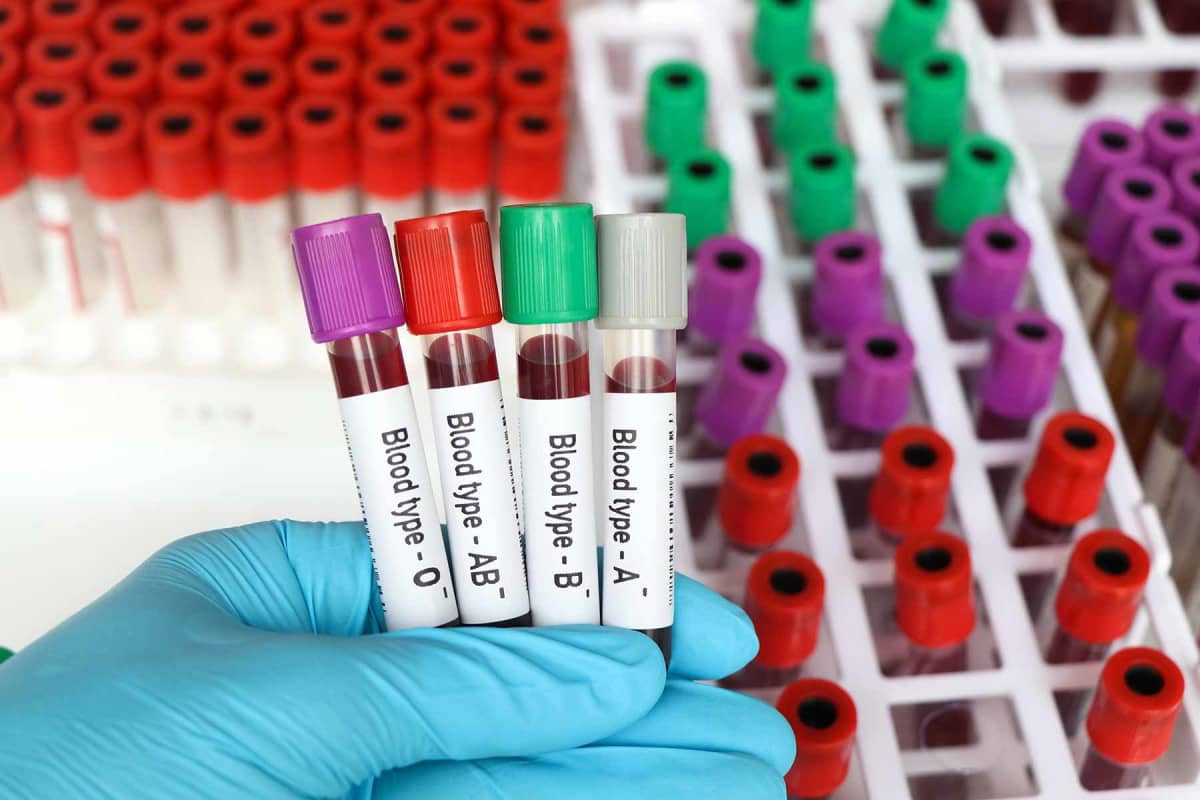
How much does a blood type test cost?
How much does a blood type test cost?
$10 – $100 cost without insurance

Blood type test cost
A blood type test costs $10 to $100+ without insurance, depending on the testing method and provider you choose. At-home blood type test kits are the cheapest option at $10 to $25, while the cost of a test at a lab or doctor's office ranges from $40 to $100, not including any office visit fees.
| Testing option | Average cost (without insurance)* |
Results timeframe |
|---|---|---|
| At-home test kit | $10 – $25 | Immediate (5 – 10 minutes) |
| Independent lab | $40 – $70 | 3 – 5 business days |
| Doctor's office | $60 – $100 | 3 – 7 business days |
| Hospital outpatient lab | $100 – $150+ | 3 – 7 business days |
*Not including any additional physician, office visit, or service fees.
Knowing your blood type is important for medical emergencies, pregnancy planning, blood donation, and general health awareness.
At-home test kit
At-home blood type test kits are the most affordable option, typically costing $10 to $25. FDA-cleared, ISO-certified testing kits provide reliable accuracy for personal knowledge. However, results can be difficult to interpret, and these kits aren't suitable for medical purposes like pre-surgical screening where laboratory-confirmed results are required.
Independent lab
Independent labs like Quest Diagnostics and Labcorp offer professional blood type testing without a doctor's visit, with prices ranging from $40 to $70 on average. These CLIA-certified labs provide professional-quality results performed by trained phlebotomists. Results are available online within 3 to 5 business days through secure patient portals.
Some labs offer an in-home sample collection service for an extra $50 to $80+.
Doctor's office or hospital
Medical facilities are the most expensive option for blood type testing. Without insurance, expect to pay $60 to $150or more for a blood type test.
Doctor's offices charge $60 to $100 for the blood type test itself, plus an office visit fee of $100 to $300 if you don't have another medical reason for the appointment.
Hospital outpatient labs charge the highest rates, often costing 2 to 4 times more than independent labs for comparable tests.
How much does a blood type test cost with insurance?
Insurance coverage for a blood type test depends on whether your test is considered medically necessary.
When insurance covers blood type testing
Insurance usually covers blood type testing when ordered for medical reasons like pregnancy planning, pre-surgical screening, organ transplant evaluation, or blood disorder investigation. Your out-of-pocket cost depends on your plan, deductible, and copayment.
After meeting your deductible, you'll typically pay a copayment of $10 to $50. Before meeting your deductible, you'll pay more, though insurance-negotiated rates are usually lower than self-pay prices. The Affordable Care Act requires coverage for preventive care lab work at in-network providers, though blood type testing alone rarely qualifies as preventive care.
When you'll likely pay out of pocket
If you want to know your blood type out of curiosity or for non-medical reasons like following a blood type diet, insurance typically won't cover the test. Insurance companies consider routine blood type testing "not medically necessary" without clinical indication. Contact your insurance provider before testing to verify coverage and confirm whether you need to use in-network labs.
Blood type test cost factors
Several factors influence your final testing cost:
Geographic location: Regional differences in healthcare pricing mean the same test might cost $50 in one state but $80 in another. Urban areas with multiple facilities often have more competitive pricing than rural regions.
Type of facility: Hospital outpatient labs charge significantly more than independent labs for identical tests due to higher overhead. Independent labs like Quest and Labcorp offer competitive prices with streamlined operations. Doctor's offices fall in the middle but add office visit fees.
Additional fees: Watch for extra charges beyond the base test price. Physician consultation fees, facility charges, and supplies can add $10 to $100 or more. Always ask for a complete cost breakdown before proceeding.
Alternative ways to learn your blood type
If traditional testing costs seem high, consider these alternatives:
Blood donation: Organizations like the American Red Cross test your blood when you donate and will inform you of your type upon request. This free option may take a few weeks but helps save lives while answering your question.
Medical records review: If you've had surgery, given birth, or undergone certain procedures, your blood type may already be in your medical records. Contact your healthcare provider to request a copy, though routine blood work rarely includes blood typing.
DNA testing: Companies like 23andMe or AncestryDNA offer tests for $100 to $200 that may include blood type information in health reports. While more expensive than dedicated blood type tests, they provide extensive genetic and ancestry information.
Why knowing your blood type matters
Understanding your blood type has practical health applications beyond curiosity:
In medical emergencies requiring blood transfusions, knowing your type beforehand saves critical time.
For pregnancy planning, Rh-negative women need monitoring to prevent complications with Rh-positive babies.
Certain blood types are in higher demand at blood banks; Type O-negative is the universal donor.
Research links different blood types to varying health risks, helping to inform screening and prevention strategies.
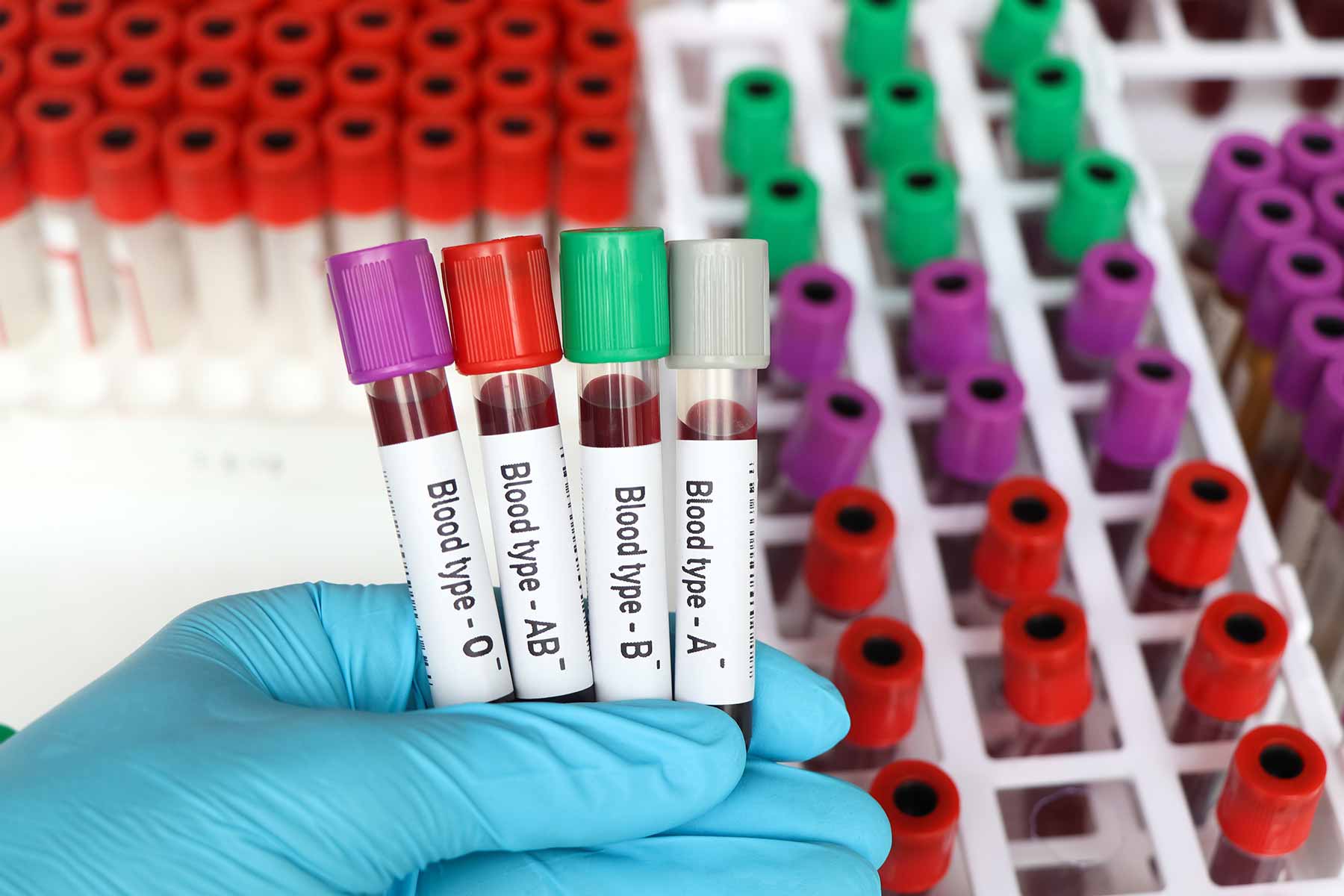
Blood type test FAQs
What is a blood type test?
A blood type test determines your ABO blood group (A, B, AB, or O) and Rh factor (positive or negative). The test identifies specific antigens on your red blood cells to create your complete blood type, such as O-positive or AB-negative. This creates eight possible blood types: A+, A-, B+, B-, AB+, AB-, O+, and O-.
How accurate are at-home blood type test kits?
At-home blood type test kits like Eldoncard are highly accurate when used correctly, matching laboratory test results in clinical studies. However, user error can occasionally lead to mistakes. For medical purposes requiring confirmed blood type, such as before surgery or transfusion, it's best to get laboratory testing.
Can I get a free blood type test?
Free blood type testing options are limited. Donating blood through the American Red Cross provides free blood typing, though results take several weeks. Some health fairs offer free screenings. Insurance covers medically necessary testing, though you may owe a copayment.
How long does it take to get blood type test results?
At-home blood type testing kits provide results within 5 to 10 minutes. Laboratory tests from Quest or Labcorp take 3 to 5 business days in most cases. Hospital and doctor's office results may take 3 to 7 business days.
Does insurance cover blood type testing?
Insurance covers blood type testing when medically necessary, such as for pregnancy, pre-surgical screening, or blood disorder investigation. For voluntary testing out of curiosity, you'll pay the full cost. Check with your insurance provider before testing.
Do I need to fast before a blood type test?
You do not need to fast before a blood type test. Blood type is determined by antigens on red blood cells, which aren't affected by food intake. You can eat and drink normally before your appointment.
Can I use at-home blood type results for medical procedures?
At-home results are for informational purposes only. Hospitals and surgical centers require laboratory-confirmed blood typing from CLIA-certified facilities before medical procedures or transfusions.
Questions to ask your healthcare provider
Before getting a blood type test, discuss these important questions with your healthcare provider to ensure you understand the process and costs:
What is the total cost for the blood type test, including all fees?
Do you charge separately for the blood draw, consultation, or facility usage?
How long will it take to receive my results?
Is this test covered by my insurance plan?
Do I need to use a specific laboratory to stay in-network?
Are the results suitable for medical purposes, or only for personal knowledge?
Do you offer payment plans if I'm paying out of pocket?
Will I receive a copy of my results that I can keep for my records?
Can the results be shared with my primary care physician?
What should I do if I need to verify my blood type for a medical procedure?
The content of this site is for educational purposes only and does not constitute providing medical advice or services. The information provided should not be used for the diagnosis or treatment of health problems. Always consult with a licensed healthcare professional for advice about any medical concerns.